
Neurology Trainee Program

OCT. 6 - DEC. 15, 2026 | 5:30 - 6:30 p.m. ET | 10-SESSIONS
This program is tailored to the specific needs of neurology trainees looking to master the management of epilepsy through case-based learning, clinical pearls, and seizure videos. Topics include progressive myoclonic epilepsies (PMEs), autoimmune encephalitis, genetic testing, surgical evaluations, effective use of ASMs, and more.
Program Leads:
Next Session
November 24, 2026
5:30 pm – 6:30 pm
S8. The identification, diagnostics, and treatments of metabolic epilepsies
Register

Case Support
Healthcare providers can present your de-identified case for advice, support and written recommendations.
Syllabus
- Identify, define and differentiate key features of focal and generalized onset seizure types with predominately motor semiology (Tonic, clonic, hyper motor)
- Identify pediatric epilepsy syndromes presenting with predominant motor seizure semiology
- Identify key features of focal seizure based on lobe of brain involved
- Identify structural brain malformations detected on neuroimaging that would suggest epilepsy
- Recognize different structural brain anomalies and their respective etiologies
- Recognize when to consider genetic testing
- Identify key points to consider before ordering genetic testing
- Identify issues to discuss in pre-test counselling e.g. consent, potential results and outcomes, parental testing
- Determine information required for ordering, selecting the right panel and filling the requisition
- Describe the key patient factors to consider when choosing ASMs
- Recognize process for titration and adjusting medications
- Identify potential adverse effects of medications for epilepsy and strategies for mitigation
- Describe how to identify patients that may be surgical candidates
- Note the components of phase 1 and phase 2 surgical evaluation
- Discuss Mesial Temporal Sclerosis
- Understand ketogenic diet and its variants
- Identify clinical indications of the keto diets as a treatment option
- Recognize the main side effects
- Identify how medications can interact/interfere with the keto diets
- Describe how Progressive Myoclonic Epilepsy presents in different demographics
- Discuss diagnostic strategies and challenges for PME
- Identify different therapies/treatment options for PME
- Recognize when to suspect a metabolic disease in a patient with epilepsy
- Understand how to interpret basic biochemistry to develop a metabolic differential diagnosis
- Understand principles of management of epilepsy related to metabolic diseases
- Identify when to consider autoimmune encephalitis related epilepsy
- Discuss how to test for autoimmune encephalitis
- Describe appropriate management strategies in autoimmune encephalitis related epilepsy
- Identify the risk factors for SUDEP, current preventative measures, and the importance of counselling patients and families
- Discuss strategies for supporting patients and families through conversations surrounding SUDEP
Resources, Didactics & Recordings
Click Here to Access Didactics (PDFs): https://www.dropbox.com/scl/fo/nktu3zyds10s9z64dt1nb/AEAyZnr-bsLg7l-o-mPEBMA?rlkey=0us9ewj5dihk522pvwuyxagx7&st=bmkhm9xt&dl=0
Click Here to Access the Playlist: https://www.youtube.com/playlist?list=PLcf5KOvxq1g1NPiGg2SzKNe-5MpoLuz41
Clinical Leads

Dr. Elizabeth Donner, Paediatric Neurologist and Epileptologist
Team Lead | SickKids Hospital

Dr. Lysa Boissé Lomax, Adult Epileptologist
Team Co-Lead | KHSC

Dr. Ahmed Abushama, Paediatric Neurologist
KHSC

Dr. Gavin Winston, Epileptologist
KHSC

Emilia Leslie, Social Worker
Stroke Services Program

Dr. Elizabeth Kerr, Clinical Neuropsychologist
SickKids Hospital

Dr. Juan Toro Perez, Clinical Neurophysiologist, Paediatric Neurologist & Epileptologist
CHEO
Resident Site Leads (26/27)

Nagham Kaka (Coordinator)
McMaster University Site Lead | PGY 5: Adult Neurology
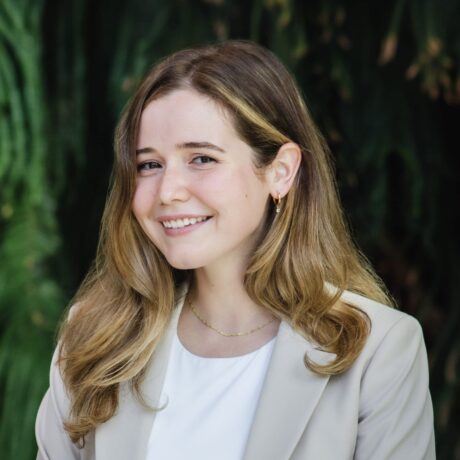
Maria Shock (Coordinator)
McMaster University Site Lead | PGY 3: Paediatric Neurology
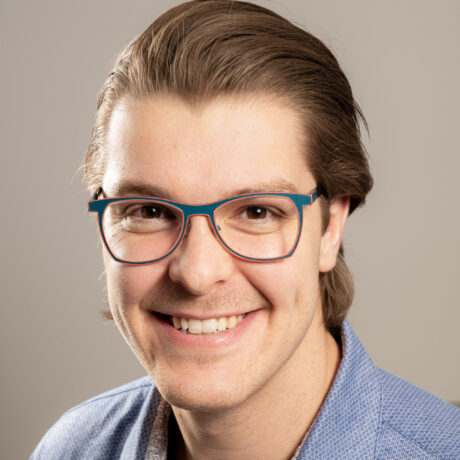
Dax Bourcier
Dalhousie University Site Lead | PGY 6: Paediatric Neurology
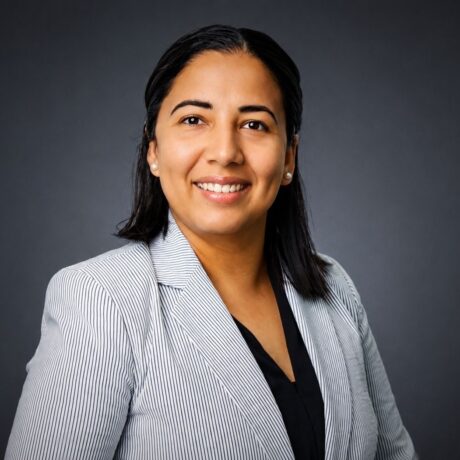
Ana Victoria Perez Gonzalez
University of Alberta Resident Site Lead | PGY 1: Adult Neurology
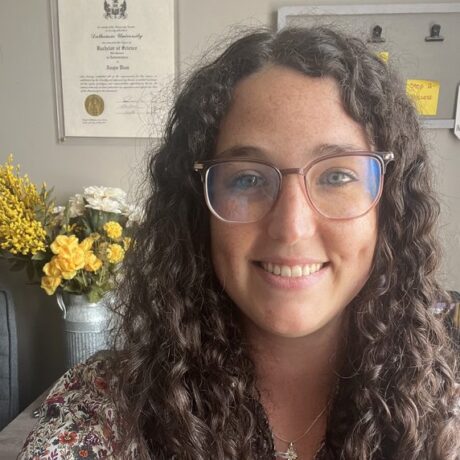
Angie Dion
Dalhousie University Resident Site Lead | PGY 2: Adult Neurology
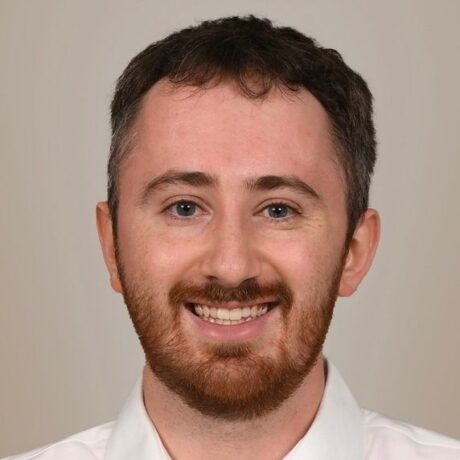
Jonathan Akhras
University of Ottawa Site Lead | PGY 1: Adult Neurology
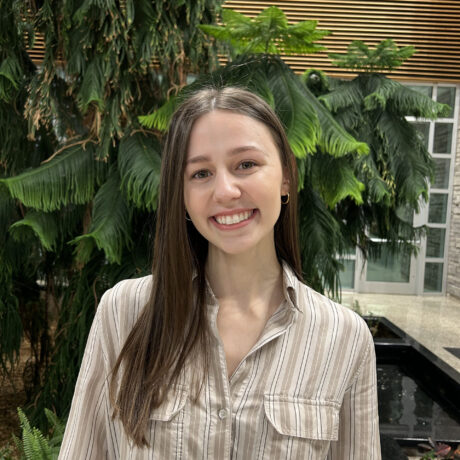
Kristal Cerga
McMaster University Resident Site Lead | PGY 3: Paediatric Neurology
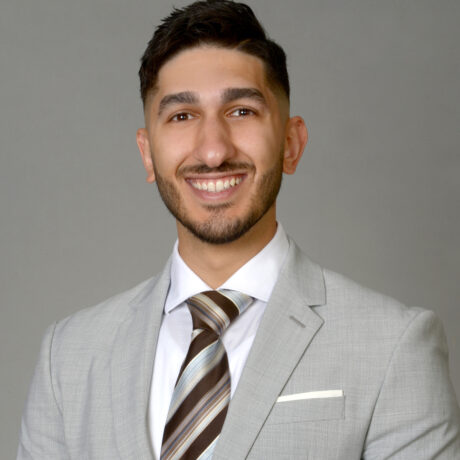
Mohamad (Moe) Risha
McMaster University Resident Site Lead | PGY 3: Adult Neurology
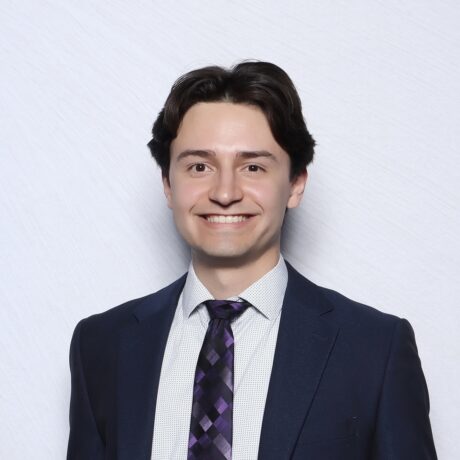
Rafael Sanguinetti
University of Alberta Resident Site Lead | PGY 1: Adult Neurology
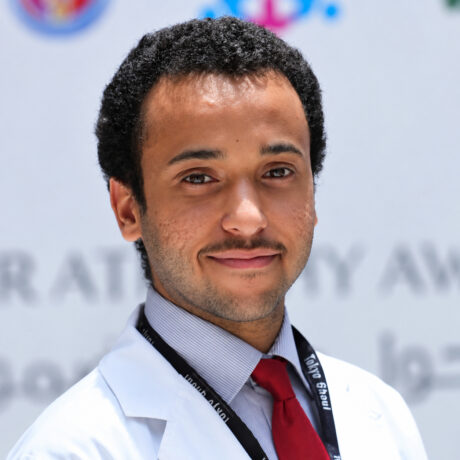
Mohammed Alsallum
University of British Columbia Resident Site Lead | PGY 4: Adult Neurology

Jasmyne Kassam
University of British Columbia Resident Site Lead | PGY 5: Adult Neurology

Reema Ahmed
McMaster University Resident Site Lead | PGY 3: Adult Neurology